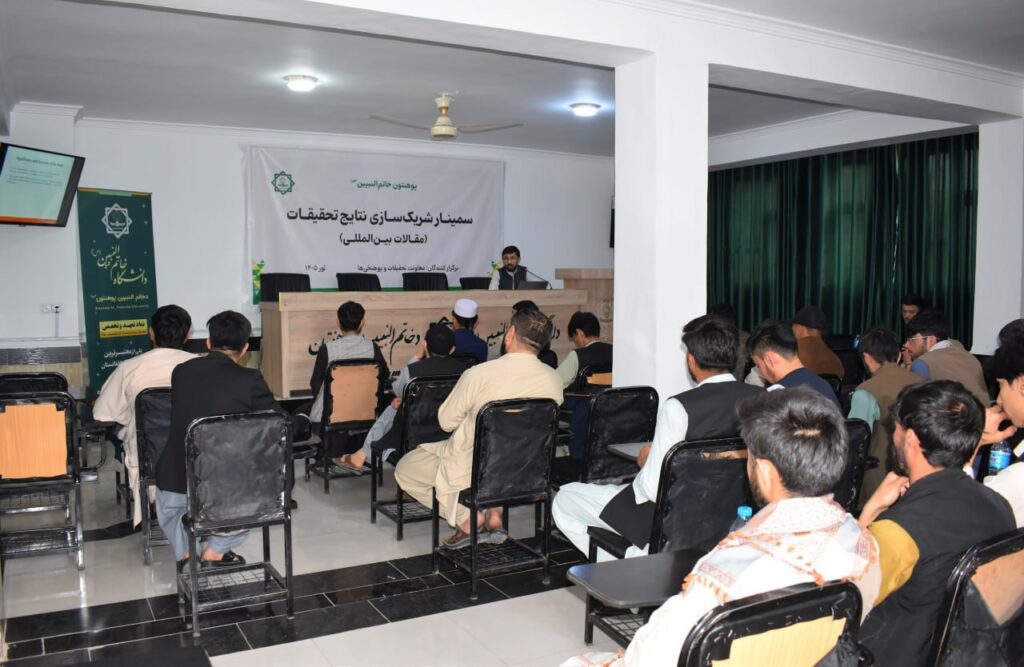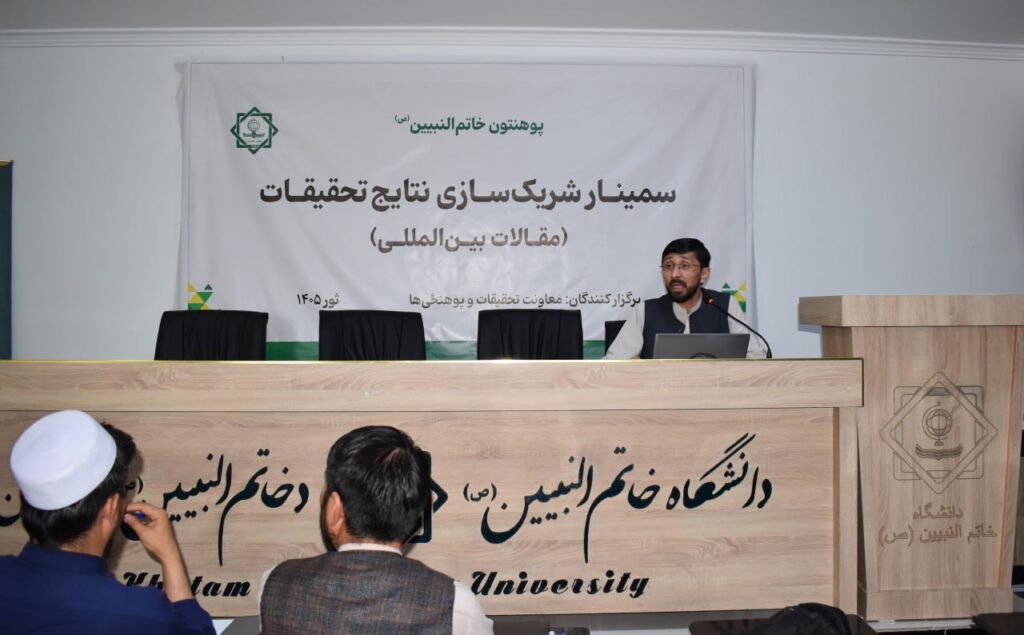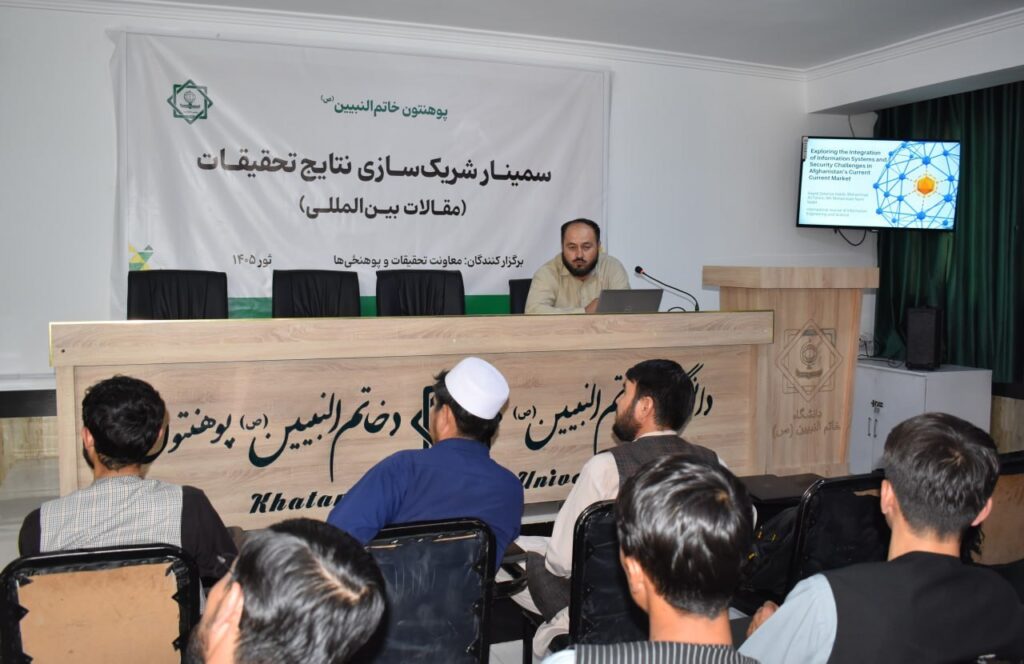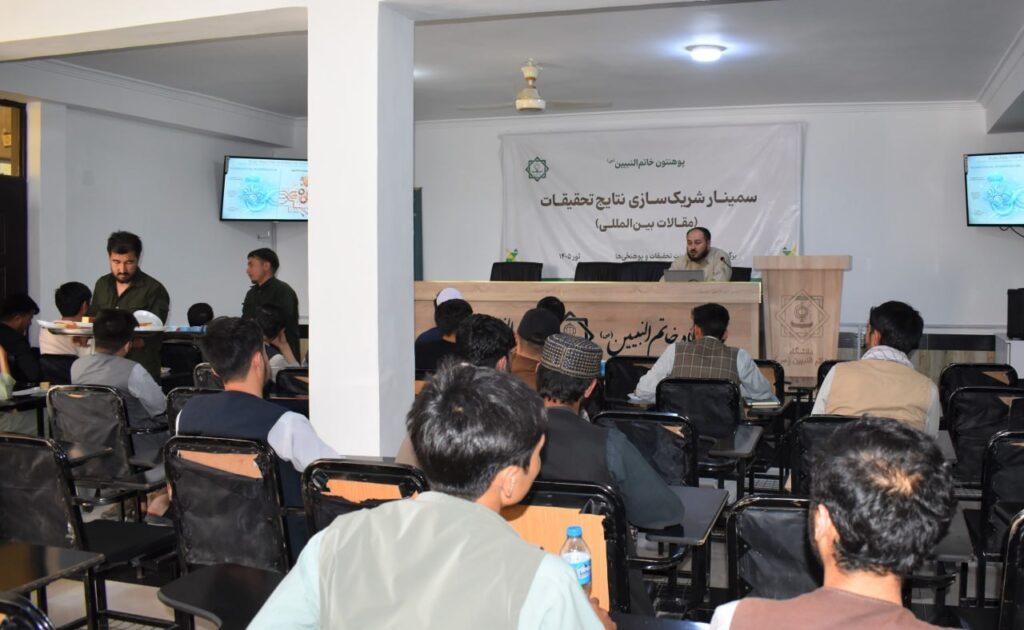
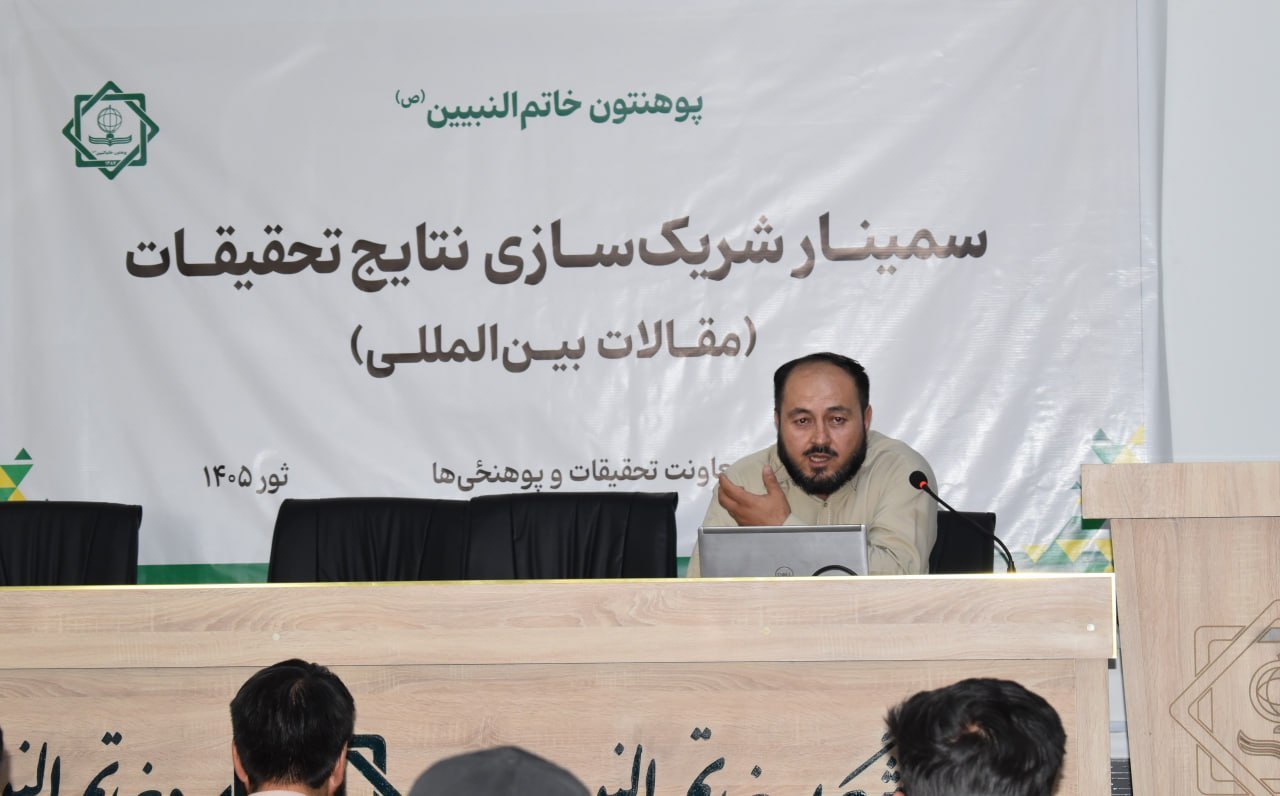
Among the important stages of conducting scientific research is its dissemination to stakeholders. This can be achieved through publication in academic journals, sharing results via social media platforms, and presenting findings in the form of conferences. To accomplish this objective, the Faculty of Computer Science at Khatam Al-Nabieen University (PBUH) has taken the initiative to share its international research achievements through organizing a conference.
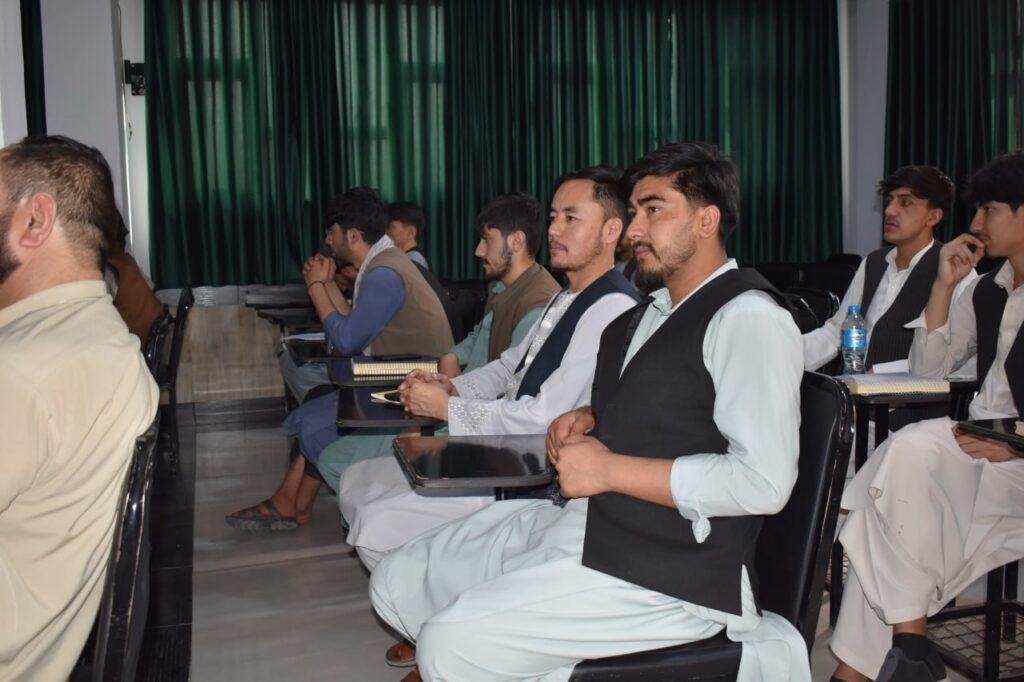
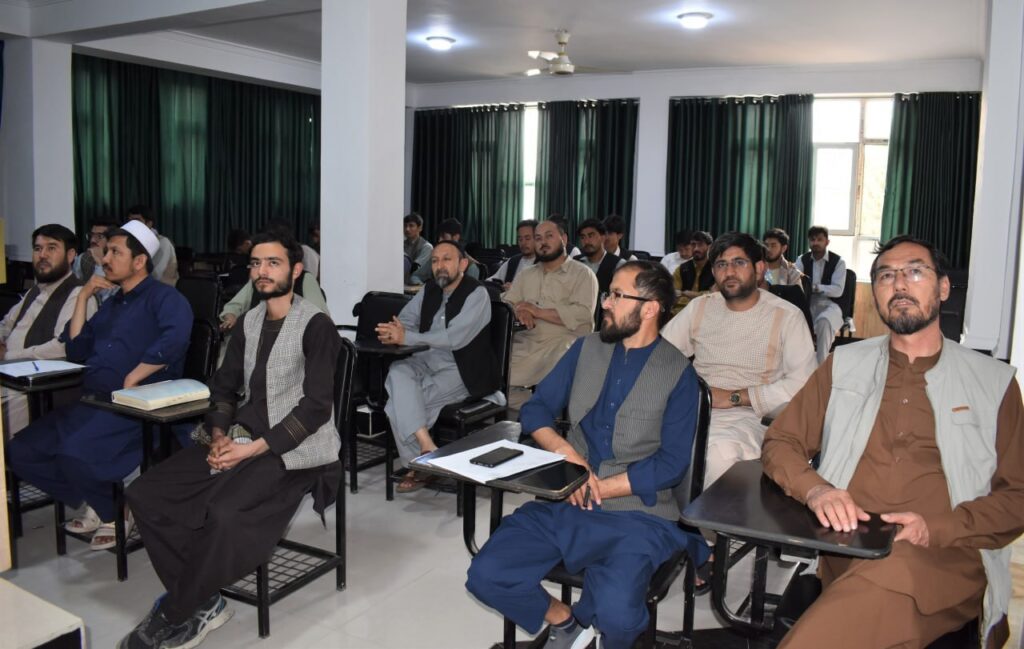
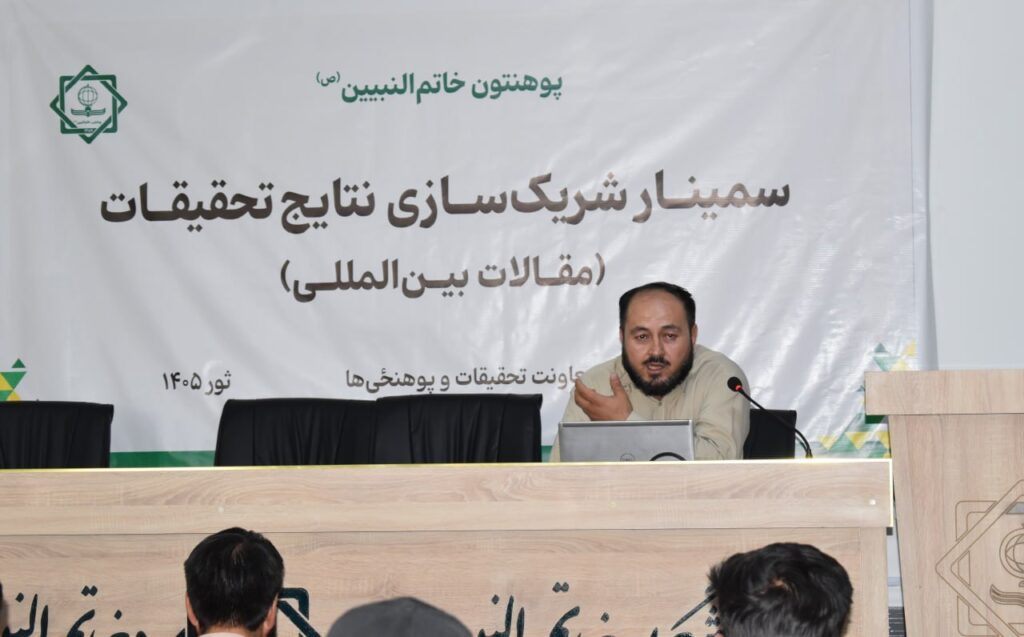
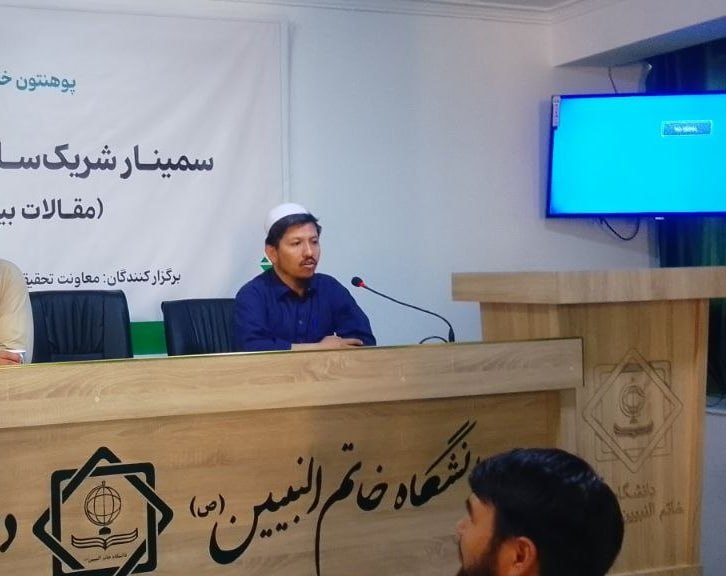
In this conference, which was held with the participation of students, professors, and university staff, Mr. Mohammad Ali Fahimi, Head of the Faculty of Computer Science, first spoke about the importance of research and academic writing. Afterwards, each professor presented their own conference paper.
In the first presentation, Professor Syed Mohammad Sharif Shakir explained the achievements of his article titled “Analysis of Challenges and Opportunities for Quality Improvement in the Higher Education System of Afghanistan,” which was published in the International Journal of Multicultural and Multireligious Understanding (IJMMU).
He explained his findings as follows: this article examines the challenges and opportunities for improving quality in higher education in Afghanistan. The quantitative findings show that weakness in management and leadership is the most critical challenge. Lack of financial resources and infrastructure, absence of strategic planning, an inefficient quality assurance system, and low scientific-research capacity among faculty members are other major obstacles. Furthermore, limited alignment between academic curricula and labor market needs has reduced educational effectiveness.
On the other hand, opportunities such as international support, the presence of a young and skilled workforce, and the utilization of information technology and digital education have been identified. Strengthening links with the labor market and generating income from academic activities are also among the priorities. These opportunities can serve as a foundation for sustainable reforms in the country’s higher education system.
The article, using a mixed-methods (quantitative–qualitative) approach, emphasizes the need for scientific evidence in driving reforms. Practical recommendations include developing a strategic plan, appointing competent managers, revising the accreditation system, establishing collaboration with industry, and applying incentives such as tax exemptions. These measures can improve the quality of education, research activities, and the ability to respond to societal needs.
Next, Professor Sayed Zakaria Habib presented the findings of his article titled “Investigation of Information Systems Integration and Security Challenges in the Current Afghan Market,” which was published in the International Journal of Information Engineering and Science. He described his and his co-authors’ achievements as follows:
This study examines the integration of information systems and cybersecurity challenges in Afghanistan. According to the research findings, despite technological growth and ongoing efforts toward digitalization, Afghanistan still faces serious problems such as weak infrastructure, lack of coherent policies, low cybersecurity awareness, and dependence on foreign-funded projects.
The article emphasizes that the lack of coordination among institutions and weak governance has resulted in many digital systems operating in a fragmented and unstable manner.
In the methodology section, the research was conducted using the Delphi method; that is, the opinions of experts from the fields of technology, government, academia, and the private sector were collected and analyzed in several rounds. The aim of this method was to reach a consensus on the most important challenges and opportunities of information systems in Afghanistan.
The results show that the main problems include weak technical infrastructure, lack of strong cybersecurity laws, shortage of skilled professionals, economic instability, and cultural resistance to digital transformation. Experts also noted that the absence of national data protection standards has increased the risk of cyberattacks and misuse of information.
Finally, the article concludes that the successful development of information systems in Afghanistan cannot be achieved merely by importing technology, but requires governance reforms, investment in digital education, strengthening cybersecurity, and establishing coordination between public and private institutions.
The authors suggest that Afghanistan should follow a hybrid model that is both compatible with the country’s internal conditions and aligned with international standards of technology and security. According to the article, the future of Afghanistan’s digital transformation depends on establishing a shared national vision that simultaneously strengthens technology, education, and governance.
In conclusion, the gathering concluded with a prayer for blessings.